
Diffuser oils, explained
Share
A diffuser oil is a concentrated fragrance made to be turned into a fine mist by a machine. For a cold-air or nebulizing diffuser, you want it pure and undiluted, poured straight in. Water-based ultrasonic diffusers, reeds and candles each work differently, and each needs a different kind of oil.
Most of the confusion around home fragrance comes from one word doing too much work. "Diffuser oil" is printed on bottles meant for very different machines. This guide sorts them out, so the oil you buy is the oil your home can actually use.
What is a diffuser oil?
A diffuser oil is a blend of aromatic materials made to scent a room rather than a person. Ours are a balanced mix of fragrance oils and essential oils, bottled pure. There is no water, alcohol or filler in the bottle.
That last point matters more than it sounds. Many products sold as diffuser oil are already thinned, because they were designed for machines that add their own water. Others are sold as a few drops in a tiny vial, meant to float in a tank. A pure oil is a different product with a different job. It is made to go into a machine that uses the oil itself, nothing added.
Is fragrance oil the same as diffuser oil?
Not always. "Fragrance oil" describes what is in the bottle: a composed scent, built from notes the way a perfumer would build one. "Diffuser oil" describes where it goes. A good fragrance oil for a diffuser is both. It has a structure you can follow through the day, opening bright and settling warm, and it is made at the strength a diffuser needs.
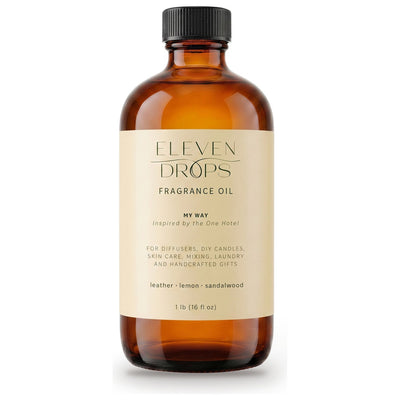
Take My Way. It opens with leather, cardamom and lemon. Within the hour it settles into sandalwood, cedarwood and a trace of cinnamon. Long after the diffuser rests, vetiver, musk and iris stay in the curtains. That is a fragrance oil, written for a diffuser.
What are the three ways to scent a home?
Almost every scented room relies on one of three methods. They differ in how the fragrance reaches the air, and that decides which oil belongs in them.
Cold-air and nebulizing diffusers
These machines use no water and no heat. A small pump pushes air through a narrow tube. As the air rushes past, it draws the oil up and breaks it into a fine, dry mist that drifts through the room. Cold-air diffusers are built on the same principle, usually with a larger reservoir and a timer. They are the kind of machine used to scent hotel lobbies and boutiques, and they are the only ones our oils are made for.
Because the machine uses the oil as it is, the oil has to be good on its own. There is nothing to hide behind.
Water-based ultrasonic diffusers
These are the small tabletop units with a water tank and, often, a soft light. A disc under the water vibrates very fast and turns the water into a visible, cool mist. You add a few drops of oil to the water and the mist carries some of it into the room.
The mist is mostly water. A few drops of oil spread through a full tank can only do so much, which is why the scent is gentle and short-lived. We don't recommend our oils for these machines. In water they smell faint, and that is not the oil's fault. We explain why in how cold-air diffuser oil works.
Reeds and candles
Reed diffusers need no power. A blend sits in a vessel and climbs a bundle of reeds, then evaporates slowly from the tips. The liquid is thin by design, so it can travel up the reeds. Candles hold their fragrance in wax and release it as the wax melts.
Both are pleasant in a small room. Neither moves much air, so neither fills a large space. If you make your own candles, our oils can be stirred into melted wax. Each product page gives the amounts. For reeds, use a blend made for reeds.
Which oil suits which diffuser?
The rule is simple once you know how each method works.
- Cold-air, waterless or nebulizing diffuser: a pure, undiluted fragrance oil, poured straight in. This is what we make.
- Water-based ultrasonic diffuser: not our oils. A pure oil is wasted in water.
- Reed diffuser: a ready-made reed blend, thin enough to climb the reeds.
- Candle: a finished candle, or our oil stirred into wax if you pour your own.
If you are not sure which machine you own, look for a water tank and a fill line. If it has one, it is ultrasonic. If the oil goes in on its own, or the bottle screws straight into the machine, it is cold-air or nebulizing.
How do you choose a scent?
Start with the room, then with the feeling. Our scents are grouped into five series, and each one describes a mood more than a category.
- The Lobby Series: polished and warm. Leather, woods, a little citrus. My Way lives here.
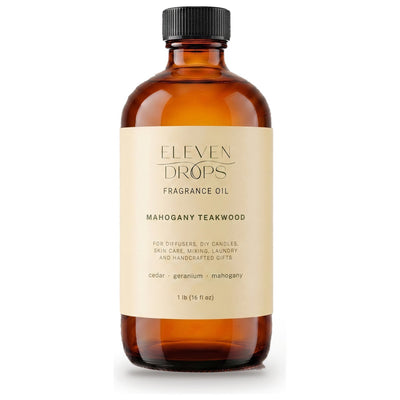
- Woods & Amber: grounded and calm. Mahogany Teakwood pairs polished mahogany with cedar and soft geranium.
- Florals & Musks: soft and close. Gardenia, peony, clean powder.
- The Coastal Series: bright and airy. Citrus, sea air, a touch of jasmine.
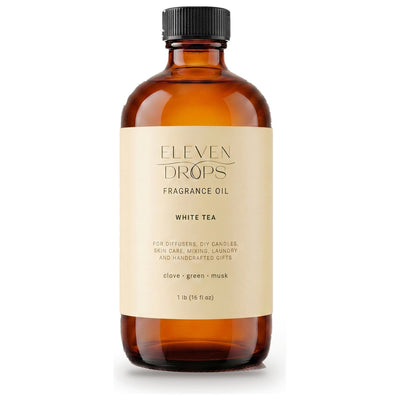
- The Tea Series: clean and quiet. White Tea is clove, green leaves and soft musk.
You can browse every scent in the fragrance oils collection. Read the notes the way you would read a menu. Warm notes suit evenings and living rooms. Fresh notes suit mornings, kitchens and entryways.
How do you get the most from a diffuser oil?
Three habits make the biggest difference.
One scent per diffuser. Fill it with one scent and run it until it is empty. Switch at the refill, not before. If you want two scents at home, give each room its own diffuser.
Match the setting to the room. A bedroom needs far less than an open-plan living space. Our strength guide and the full picture on bottle life are in how long a bottle lasts.
Run it on a schedule. A diffuser that runs all day does not make a room smell better. It uses oil faster, and your nose stops noticing sooner. Set it for the hours you are home.
Questions, briefly
Do I need to dilute a diffuser oil?
Not ours. Pour it in pure. Cold-air and nebulizing diffusers are designed for undiluted oil.
Can I use diffuser oil on my skin?
No. Our oils are for home fragrance only. Don't apply them to skin, wear them as perfume or ingest them.
What about children and pets?
Diffuse in a well-ventilated room, keep bottles out of reach, and never ingest the oil.
Why does my oil smell weak?
Usually it is the machine, not the oil. In a water-based diffuser, a pure oil is diluted and fades. In a cold-air diffuser, check the setting against the size of the room.
